

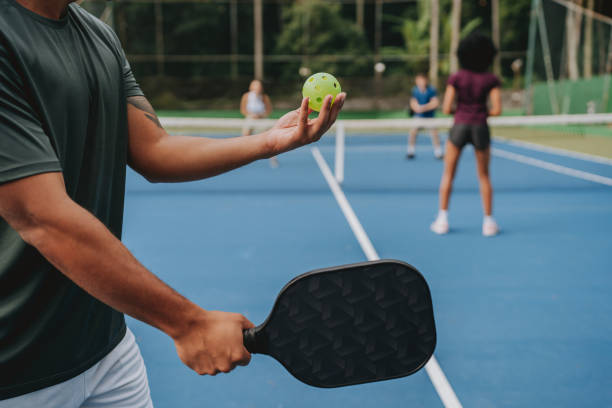
Pickleball championships have become significant events that contribute to the strengthening of local sports networks in numerous ways. As a rapidly growing sport, pickleball attracts players of all ages and skill levels, creating a diverse community united by shared interests and competitive spirit. These tournaments serve as focal points where athletes, coaches, organizers, and enthusiasts come together to celebrate the game while fostering connections that extend beyond the courts.
One of the primary ways pickleball championships enhance local sports networks is by bringing together various stakeholders in a collaborative environment. Local clubs often partner with municipal organizations, sponsors, and volunteers to organize these events. This collaboration encourages resource sharing and strengthens relationships among different groups invested in promoting physical activity and healthy lifestyles within the community. The cooperative efforts required for successful tournament execution build trust and open channels for ongoing communication among participants.
Moreover, hosting pickleball championships increases visibility for local venues and sports facilities. When tournaments draw regional or even national attention, they highlight the capacity of these locations to support organized sporting activities. This recognition can lead to increased investment in infrastructure improvements such as upgraded courts or enhanced amenities, benefiting not only pickleball players but other athletic programs as well. Improved facilities attract more information users year-round, further expanding participation across multiple disciplines.
The social aspect of pickleball tournaments also plays a vital role in network development. Players often travel from neighboring towns or states to compete, providing opportunities for interaction between diverse groups who might otherwise remain disconnected. These encounters promote cultural exchange and mutual understanding within broader geographic areas while encouraging repeat visits that boost local economies through hospitality services like hotels and restaurants.
Additionally, media coverage surrounding championship events amplifies public interest in both pickleball specifically and community sports generally. Local news outlets frequently report on tournament results and human-interest stories related to participants’ journeys or charitable initiatives linked with competitions. Such exposure motivates newcomers to join clubs or attend future matches as spectators or volunteers.
Finally, youth involvement during these championships helps cultivate future leaders within local sports ecosystems. Junior divisions encourage young athletes’ development under experienced mentorship while inspiring peers through visible role models competing at high levels locally rather than exclusively at distant venues.
In summary, pickleball championships act as catalysts for strengthening local sports networks by fostering collaboration among organizations; enhancing facility use; facilitating social interactions across regions; increasing media presence; supporting economic growth; nurturing youth engagement; ultimately weaving tighter bonds throughout communities committed to active living through sport participation at multiple levels of experience and commitment alike.