

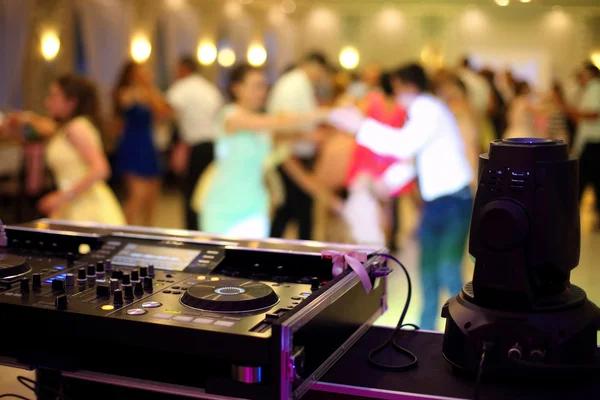
In today’s vibrant music scene, DJs play an integral role in creating memorable experiences for various events. While the core skill set of mixing tracks and reading a crowd remains consistent across different DJ types, there are distinct differences between wedding DJs and those who perform at clubs or parties. Understanding these differences is crucial for anyone planning an event or considering a career in DJing.
A wedding DJ’s primary responsibility is to cater to a diverse audience that spans multiple generations and musical tastes. Unlike club or party DJs who often specialize in specific genres like techno, hip-hop, or house music, wedding DJs must be versatile. They need to seamlessly transition from classic hits that resonate with older guests to contemporary chart-toppers that excite younger attendees. This requires not only an extensive music library but also the ability to read the room effectively and adjust their playlist on-the-fly based on guest reactions.
Moreover, weddings are structured events with numerous formalities such as introductions, first dances, cake cutting, and speeches. A wedding DJ often doubles as an emcee (MC), guiding the flow of the event by making announcements and ensuring everything runs smoothly according to schedule. This aspect demands excellent communication skills and learn more a personable demeanor—qualities less emphasized for club or party DJs where uninterrupted music sets take precedence over spoken interactions.
In contrast, club DJs focus heavily on maintaining energy levels through continuous mixes designed to keep patrons dancing throughout their set duration. Their expertise lies in curating playlists that align with specific themes of nightlife venues which may include underground sounds not typically suited for mainstream audiences found at weddings. Club environments thrive on spontaneity; hence these DJs excel at improvisation while utilizing advanced techniques like beatmatching and remixing live tracks—a technical prowess admired within this realm.
Party DJs share similarities with both aforementioned roles depending upon context: casual gatherings might require flexibility akin to weddings whereas larger scale parties could demand high-energy performances reminiscent of clubs’ atmospheres.