

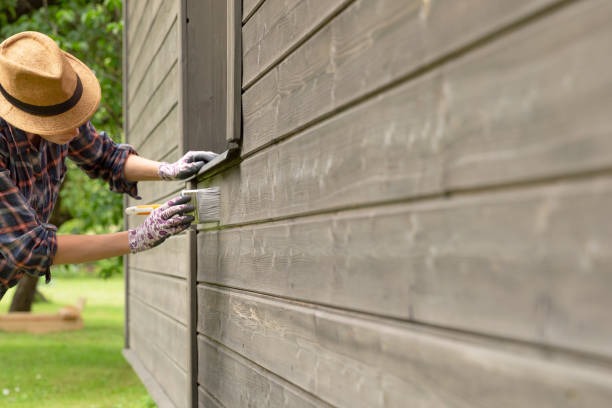
Achieving a long-lasting finish in both interior and exterior painting projects hinges significantly on expert preparation techniques. Proper preparation not only enhances the paint’s adhesion but also ensures durability against daily wear and environmental elements. Whether painting walls inside a home or surfaces exposed to weather outside, following a meticulous preparation process is essential for professional-quality results.
The first step in expert preparation involves thoroughly cleaning the surfaces to be painted. Interior walls often accumulate dust, grease, and stains, while exterior surfaces are prone to dirt, mold, and mildew. Using appropriate cleaning solutions—such as mild detergent for interiors and a mix of water, bleach, and detergent for exteriors—removes contaminants that can prevent paint from adhering properly. After cleaning, the surfaces must be rinsed well and completely dried to avoid trapping moisture beneath the paint layer.
Next, addressing imperfections on the surface is crucial. Cracks, holes, and peeling paint compromise the final finish and can lead to premature paint failure. For interior walls, spackling or patching compounds fill minor cracks and holes. Exterior see service details surfaces may require more durable fillers or even replacing damaged sections such as rotten wood or rusted metal. Once repairs are made, sanding the area smooth helps create an even surface that promotes better paint adhesion and a professional appearance.
Priming is another vital step that should never be overlooked. Primers seal porous surfaces, block stains, and provide a uniform base for the paint coat. For interiors, using a primer tailored to the wall material and paint type ensures optimal results. Exterior primers are specially formulated to withstand weather conditions and protect surfaces from moisture and UV damage. Applying primer evenly and allowing it to dry fully before painting maximizes the longevity of the paint job.
In addition to surface preparation, the choice of tools and environmental conditions play a role in achieving a durable paint finish. Using high-quality brushes, rollers, or sprayers suitable for the paint type improves application consistency. Moreover, painting should be done in suitable weather—avoiding high humidity, extreme temperatures, or direct sunlight—especially for outdoor projects, to prevent issues like blistering or uneven drying.
In conclusion, expert preparation techniques are the foundation of long-lasting interior and exterior painting. Cleaning, repairing, sanding, priming, and considering environmental factors collectively contribute to a durable, attractive finish that stands the test of time. Investing time and effort in preparation not only saves money in the long run but also enhances the overall aesthetic and protection of painted surfaces.